Exploring the history of climate change
How has climate change influenced humanity’s past? What can history tell us about the future?
Find out in The Climate Chronicles, a multimedia experience written, produced, and narrated by Professor Dagomar Degroot of Georgetown University.
follow the podcast:


Introduction
Episode 1: A Shore on Svalbard
In the introductory episode of The Climate Chronicles, Professor Degroot uses one of the great adventure stories of the seventeenth century – the tale of fourteen men deserted on two Arctic islands – to introduce the history of climate change. Read or Listen
Season 1: BECOMING HUMAN
Episode 2: Antecedents of the Anthropocene
The second episode of The Climate Chronicles is also the first episode of the podcast’s first season, Becoming Human. In this episode, Professor Degroot introduces the far-fetched possibility that humanity might not be the first intelligent species to overheat the Earth. By exploring this idea, he explains how scientists piece together the deep history of climate change on Earth. Read or Listen
Episode 3: The Great Cooling
In the second episode of our first season, Becoming Human, Professor Degroot takes listeners through the dramatic cooling of our planet that began about 45 million years ago. He explains how life adapted – including humanity’s distant ancestors. Read or Listen
Episode 4: The Precarious Pleistocene
In the third episode of our first season, Becoming Human, Professor Degroot touches on everything from Noah’s Flood to nuclear submarines in telling the strange, three-century-long history of the discovery of the Ice Age. Then, he explains why rapid climate changes of remarkable intensity threatened our ancestors in the world of the late Pleistocene Epoch. Read or Listen
Episode 5: Miracles of Resilience
In the fourth episode of our first season, Becoming Human, Professor Degroot explores how our hominin ancestors learned to cope with, and even exploit, the wildly fluctuating climate of the Pleistocene. He uses the extraordinary migration of a hominin species named Homo erectus to introduce the concept of resilience: a key but contested term that can help us understand our fate on a warming world. Read or Listen
Episode 6: Growing Up in the Glacials
In the fifth and final episode of our first season, Becoming Human, Professor Degroot tells the epic story of how climate change spurred the evolution of the last hominin species, including our own. He explains how ancient DNA is uncovering previously hidden chapters in this remarkable tale. Finally, he closes the season by considering the implications of the deep histories we’ve explored in the past five episodes. Read or Listen
Season 2: ESCAPING THE PLEISTOCENE
Episode 7: Avoiding the Apocalypse
In the first episode of our second season, Escaping the Pleistocene, Professor Degroot describes the two biggest explosions in human history: the catastrophic eruptions of the Los Chocoyos and Toba super volcanoes, about 75,000 years ago. These cataclysmic blasts chilled the Earth—but recent research suggests that, against all odds, most of our ancestors survived unscathed. Read or Listen
Episode 8: The Sapien Shock
In the second episode of our second season, Escaping the Pleistocene, Professor Degroot explores how climate change influenced humanity’s migration out of Africa, and into lands no other hominin had been to before. Then, he investigates the worldwide wave of extinctions that coincided both with humanity’s dispersal around the world, and with the extreme climatic upheavals of the late Pleistocene. Read or Listen
Episode 9: The Last of Them
In the third episode of our second season, Escaping the Pleistocene, Professor Degroot provides different explanations for what may be the ultimate climate change disaster: the extinction of our closest relatives, the Neanderthals, a hominin species that may have been as smart as us. He shows us how new computer models can help us understand the possible causes for the disappearance of the Neanderthals, and considers whether their extinction provides a warning for our future. Read or Listen
Episode 10: The Younger Dryas Diaries
In the fourth episode of our second season, Escaping the Pleistocene, Professor Degroot unpacks concepts such as radiocarbon dating and climate vulnerability to explore the ingenious and diverse ways in which our ancestors coped with the Pleistocene’s final, and in many ways most spectacular, climate changes. Read or listen
Episode 11: Memories of Atlantis
In the fifth and final episode of our second season, Escaping the Pleistocene, Professor Degroot reveals how an extraordinary rise in sea levels, about 10,000 years ago, overwhelmed ecosystems and human populations from Europe to Australia. Read or listen
Season 3: INTO THE HOLOCENE
Episode 12: The Natufian Wager
In the first episode our third season, Into the Holocene, Professor Degroot investigates one of the greatest turning points in human history: the dawn of agriculture. Touching on everything from farming ants to dying Martians, he explores why our species waited nearly 300,000 years to cultivate crops and domesticate animals. Read or listen
Episode 13: The Bones at Star Carr
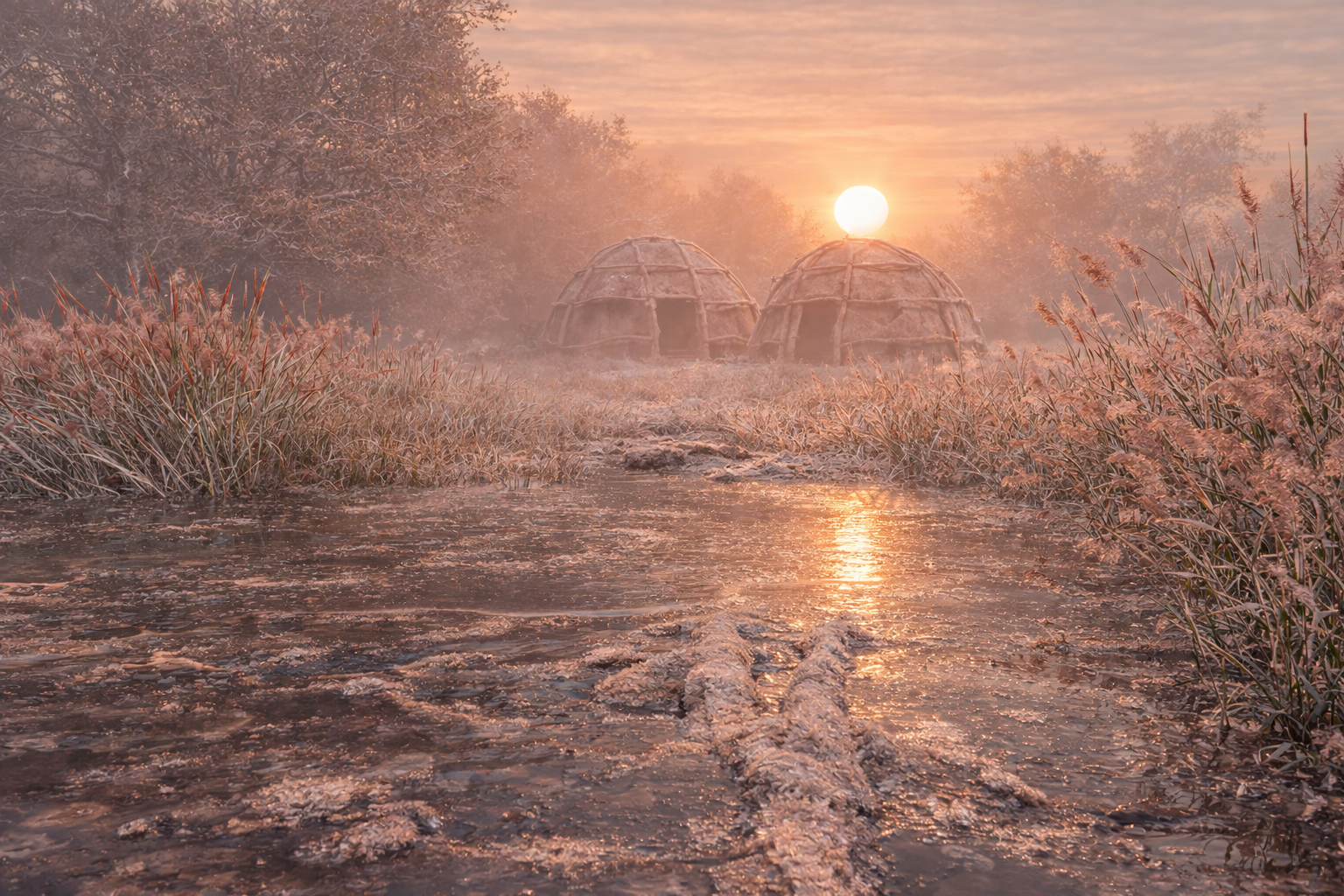
In the second episode our third season, Into the Holocene, Professor Degroot zooms in on the archaeological site of Star Carr, where – just over 11,000 years ago – a group of families settled beside a small lake in what is now northern England. He takes listeners through the history of the archaeological and scientific research that has revealed the extraordinary resilience of that community in the face of the climate shocks of the early Holocene. Read or listen
Episode 14: The Hottest Holocene
In the third episode of our third season, Into the Holocene, Professor Degroot asks a simple question: when was the last time that the Earth was as hot as it is today? It may be a simple question, but it has a complicated answer – one that touches on everything from schemes for nuclear missile silos in the Greenland Ice Sheet at the height of the Cold War, to ancient computers in long-forgotten shipwrecks. Read or listen
Episode 15: The Drying of the Sahara
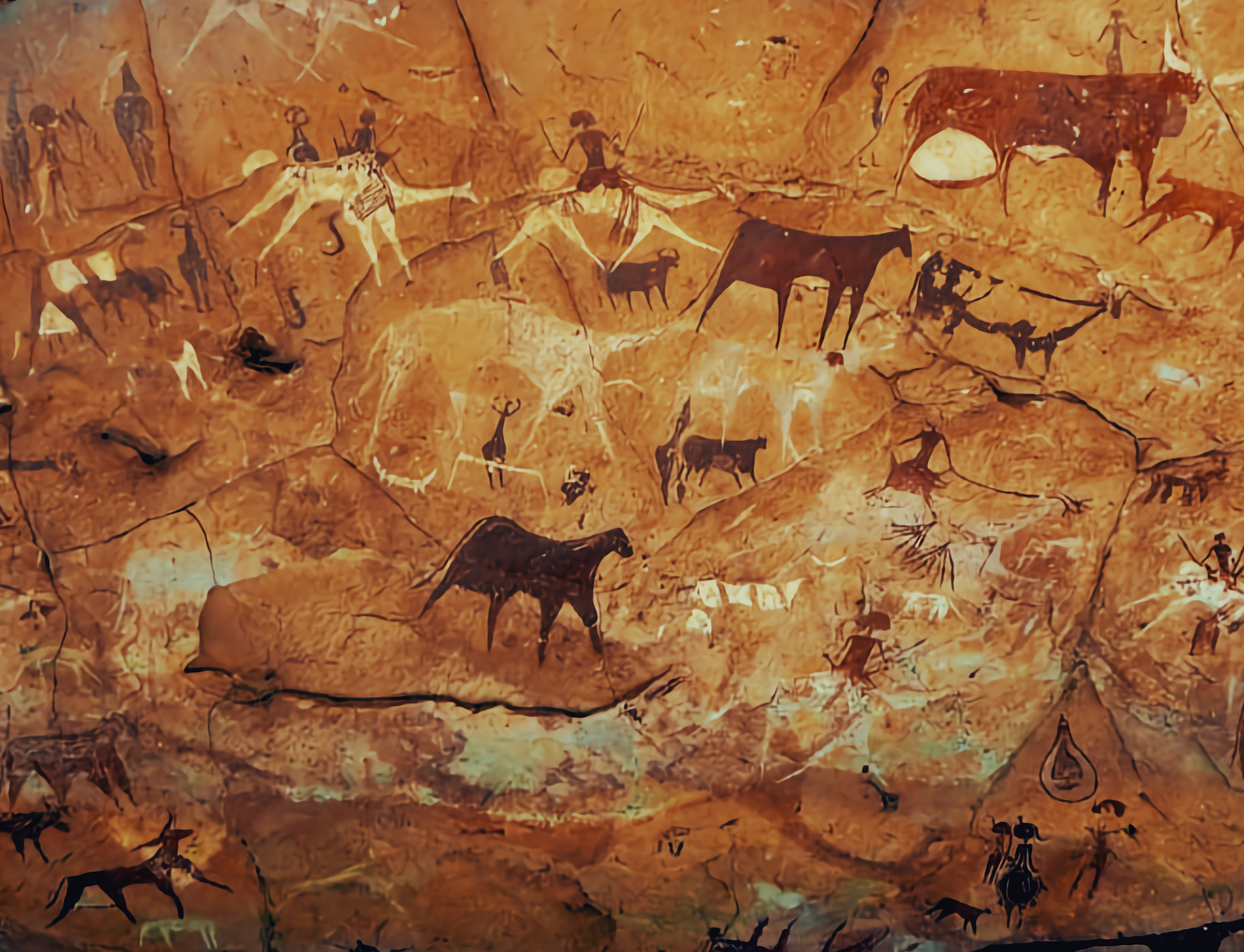
In the fourth episode of our third season, Into the Holocene, Professor Degroot tells the mind-bending story of the most spectacular environmental change of our geological epoch: the drying of the Sahara Desert. Although it seems timeless, the Sahara is actually a recent creation. At the start of the Holocene, most of it was a savannah, watered by rivers that have long since evaporated. Read or listen
Episode 16: Megadrought in Mesopotamia
In the fifth and final episode of our third season, Into the Holocene, Professor Degroot explores the most frightening concept in climate science and archaeology: collapse. First, he explains how the Bronze Age transformed the agricultural communities of the Levant, and contributed to the advent of new systems of domination that culminated in the world’s first empire. Read or listen
Environmental historian Dagomar Degroot takes you on a journey through 50 million years of climate change.
Engage with climate history however you like — watch trailers on YouTube, listen to the podcast (on Apple, Spotify, Amazon, or wherever you get your podcasts), or read each episode here, complete with maps, infographics, discussion questions, citations, and a glossary.